Fabric started from the convergence of two trends I first noticed in March 2024, just as I was starting the Entrepreneur First cohort [link to come]:
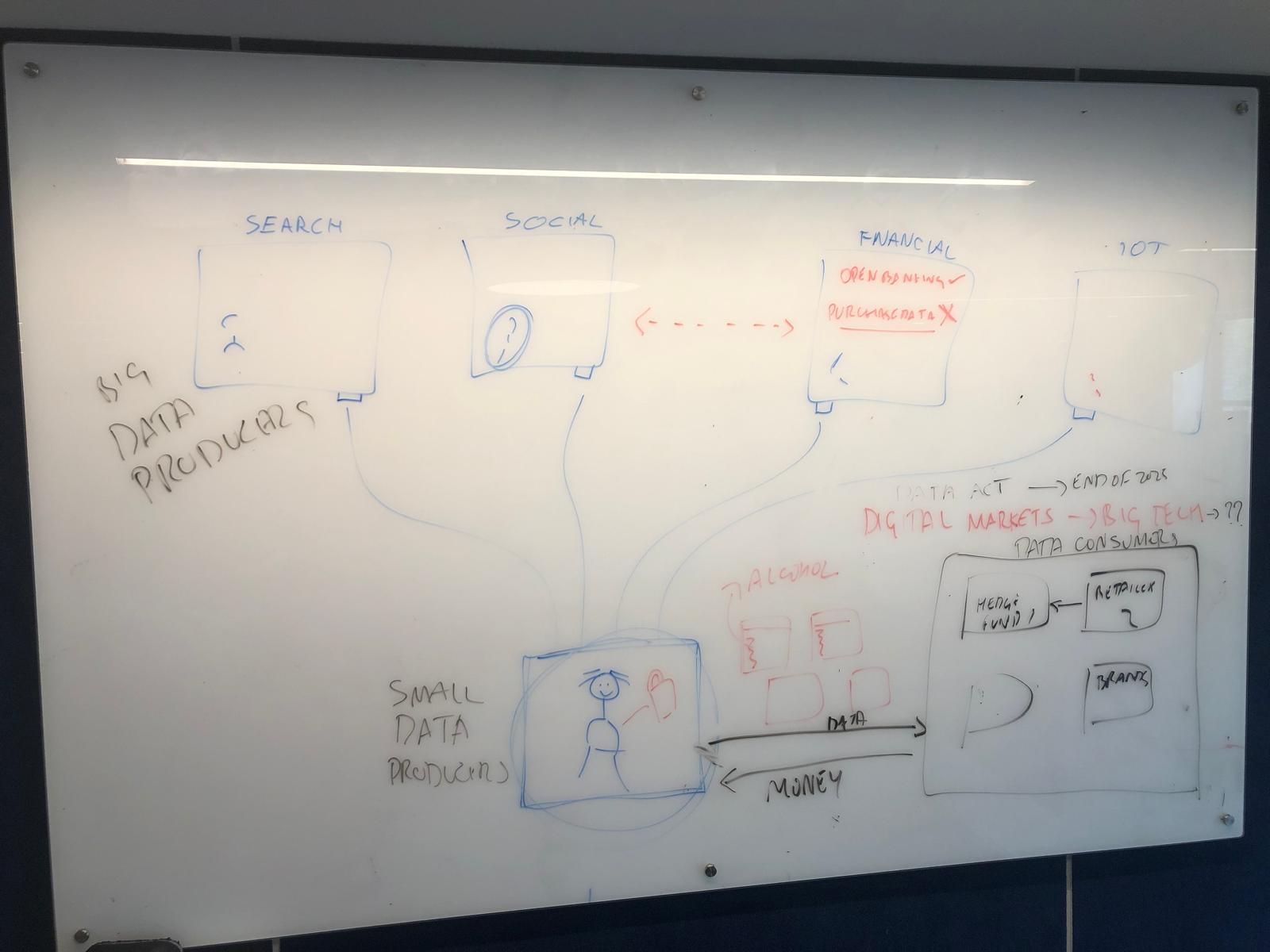
- The world's most valuable data — the behavioural data held by search and social platforms — had just become available, thanks to Article 6.9 of the Digital Markets Act [link to come].
- Consumer apps were starting to get redesigned around LLMs.
My cofounder Eeshita [link to come] and I saw this as an amazing opportunity to build an infrastructure that would enable the upcoming wave of consumer AI apps to seamlessly access this new kind of data, and provide personalized experiences never seen before.
The same infrastructure, a different silo
From a technical point of view, the infrastructure was really similar to what me and Luca [link to come] had been building as part of Omnia. Instead of making data from IoT devices easily accessible, we would now be doing the same for data from big tech companies. The infamous big tech data silos were coming down — and this highly resonated with my desire for digital sovereignty.
Plaid, but for search and social data
On the other hand, my cofounder Eeshita, right before EF, had been working at the consumer fintech Cleo, whose business had been enabled by another company called Plaid. In the same way Plaid had made financial data available to consumer apps, Fabric would make search and social data available to the emerging consumer AI apps.
The thesis
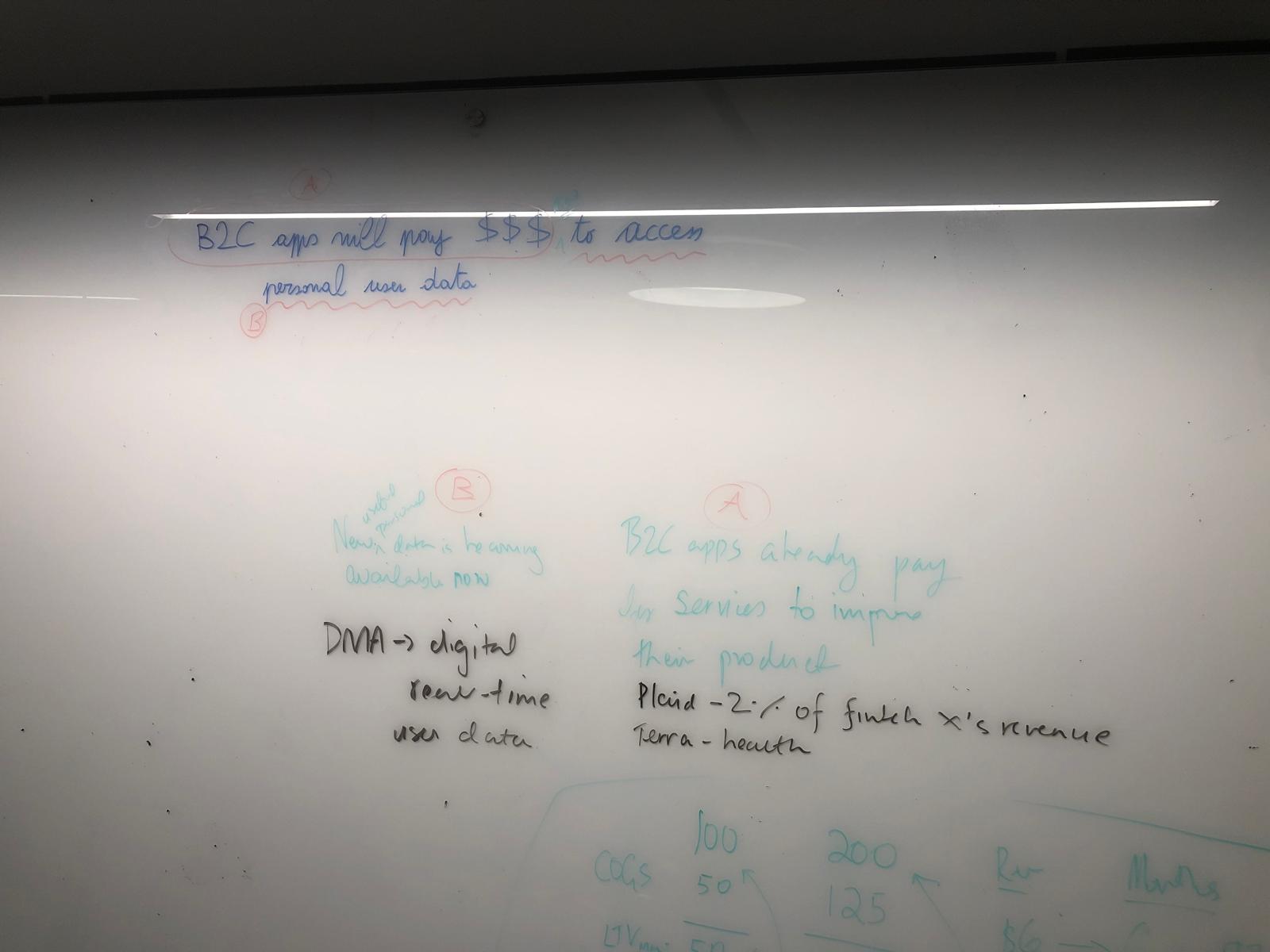
We were the perfect team with a simple thesis — one that at the time was controversial: consumer apps will pay to access personal user data.
The core of the infrastructure
At the core of the infrastructure we built, there was:
- A consent flow to enable users to share their data with Fabric in just a few clicks.
- A syncing layer to get a copy of each Fabric user's data once a day from each big tech platform.
- A data wallet to securely store each user's most sensitive data and make it accessible only to who the user wanted.
- A pipeline — multiple, actually — to turn the raw data into a user's Digital Self: the most accurate digital representation of the user's preferences. It was heavily inspired by the Virtual Persona me and Luca had built during the first phase of Omnia.
The missing piece
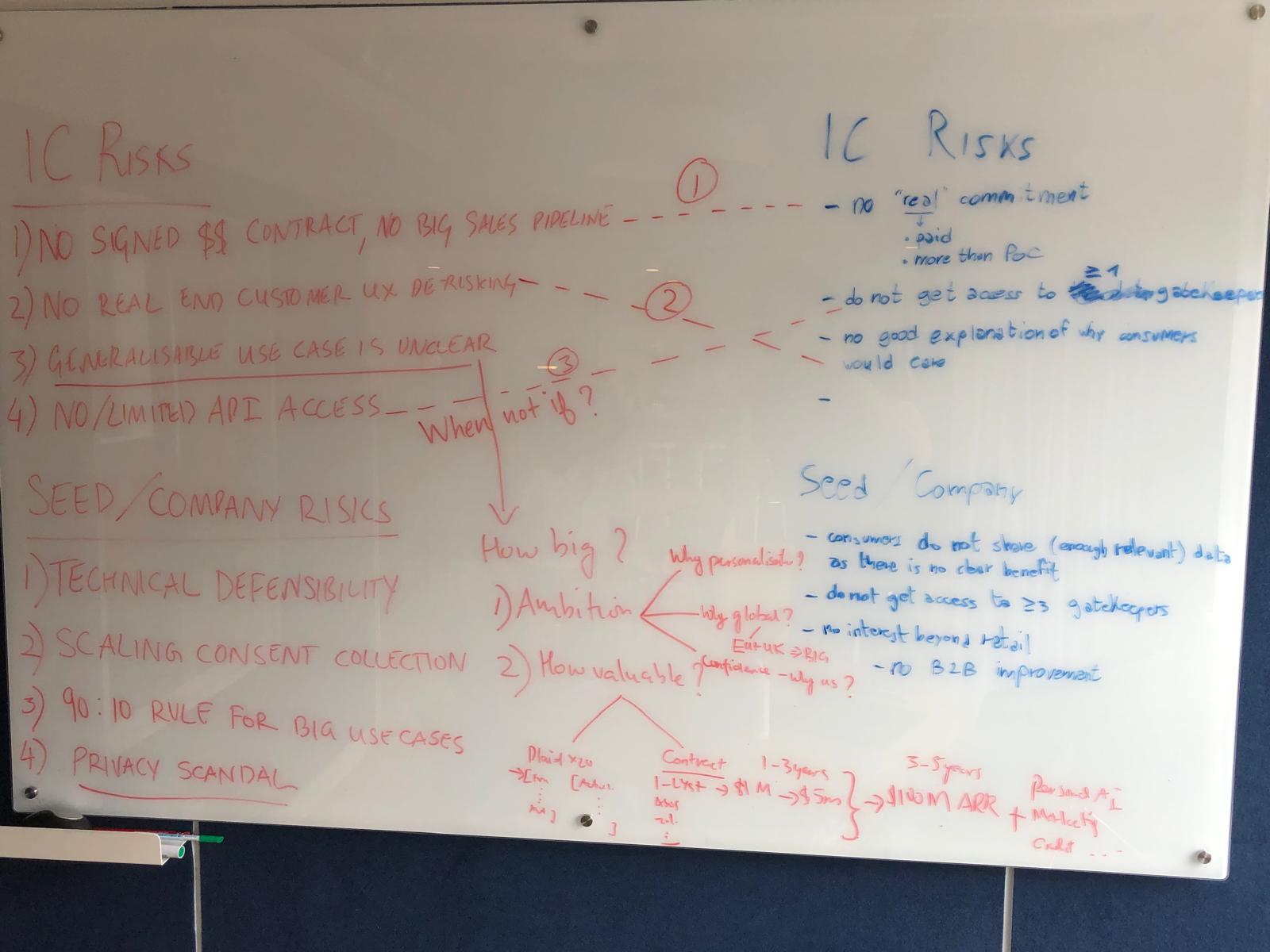
The vision was clear from the beginning. What was missing was figuring out who needed this data the most.
Two paths, one team
By the end of 2024, we saw two potential paths:
- Betting everything on the — emerging, but really early — consumer AI agents market.
- Going after existing fashion brands and retailers.
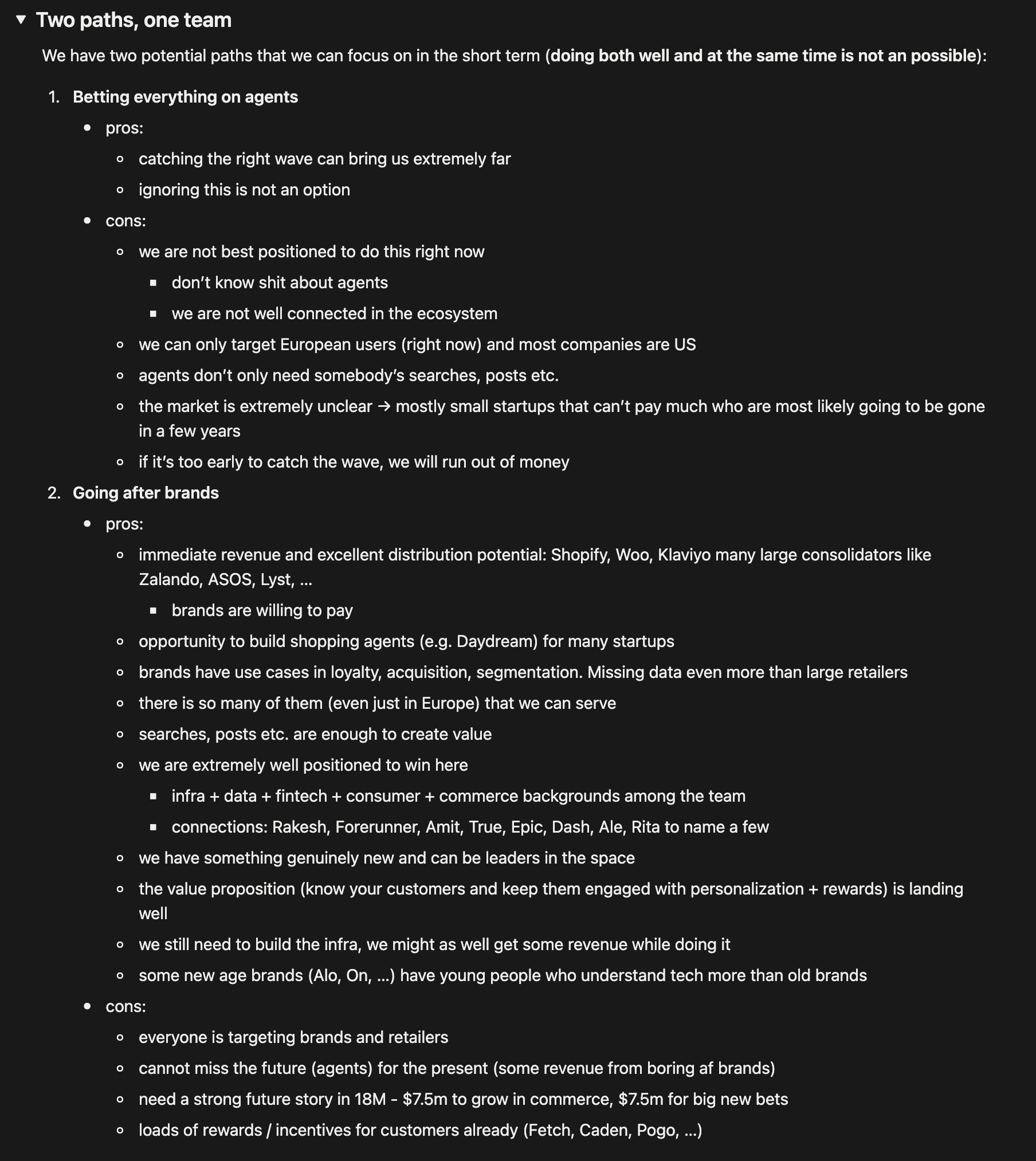
Initially, we decided to go for the latter — going after fashion brands and retailers — but eventually we also tried the former [link to come].