The summer between my bachelor in Milan and my master's in Zurich was spent with a few friends building the really first version of Omnia. At the time, we didn't yet know that ubiquitous computing was actually a whole field of research — I would only find that out later in Zurich, once I took the Ubiquitous Computing class — but it became the main thread connecting all the projects we ended up working on.
The network computer
Around that time, I had just finished reading The Difference Between God and Larry Ellison, one of the best biographies I had read until then. Beyond Larry's crazy story and personality, the thing that struck me the most was the concept of the network computer.
Network computers were dumb, inexpensive terminals — developed and championed by Oracle — that would get all their functionality directly from the internet, instead of from programs stored on disk (Larry's explanation is even better).
While the network computer didn't win against PCs and Windows back in the 2000s, Larry had actually perfectly predicted the rise of the cloud — which by 2020 basically every PC depended on.
Now that most of a computer's functionality was managed in the cloud, we realized that computers — and any IoT device in general — could actually be perfectly replaceable and be just like those dumb terminals. We knew that Larry had failed to bring this vision to reality a long time ago, but we were naive enough to think that we could actually make it work.
Making devices seamlessly interoperable
This is how, in the summer of 2020, we started building a network of IoT devices acting as one ubiquitous computer. The vision was that, now that all the software lived in the cloud, you didn't really need your computer or any other specific device: your software and data could be streamed from the cloud directly to whatever device you happened to want to use.
What was missing was a way to make these devices seamlessly interoperable — a problem that eventually led me to discover the Web of Things. Here is a half funny half disgusting video we recorded back then. We were so brave we even applied to Y Combinator with this "pitch".
An extreme network computer
We started by building an extreme version of a network computer. The idea was to have a computer that would be nothing more than a bunch of input and output peripherals and an antenna: every image, video, sound, or other piece of data would be streamed directly from Omnia's cloud onto the device. Here are some early prototypes that Luca created:
The Virtual Persona
The concept that a computer could really just be a set of input and output peripherals led us to transcend the whole idea of a computer as a single device. Your "computer" could simply be whatever set of devices you wanted to use. Connecting together (via Omnia) a keyboard, a mouse, and a display would result in a traditional PC — but that wasn't the limit. You could seamlessly switch to any other screen, or use any other input device. After all, your real "computer" was just a bunch of data in Omnia's cloud; everything else was just interchangeable peripherals you could use to interact with your data. We called this "bunch of data in the cloud" your Virtual Persona — a concept similar to what later became Fabric's Digital Self [link to come].
Claiming a device
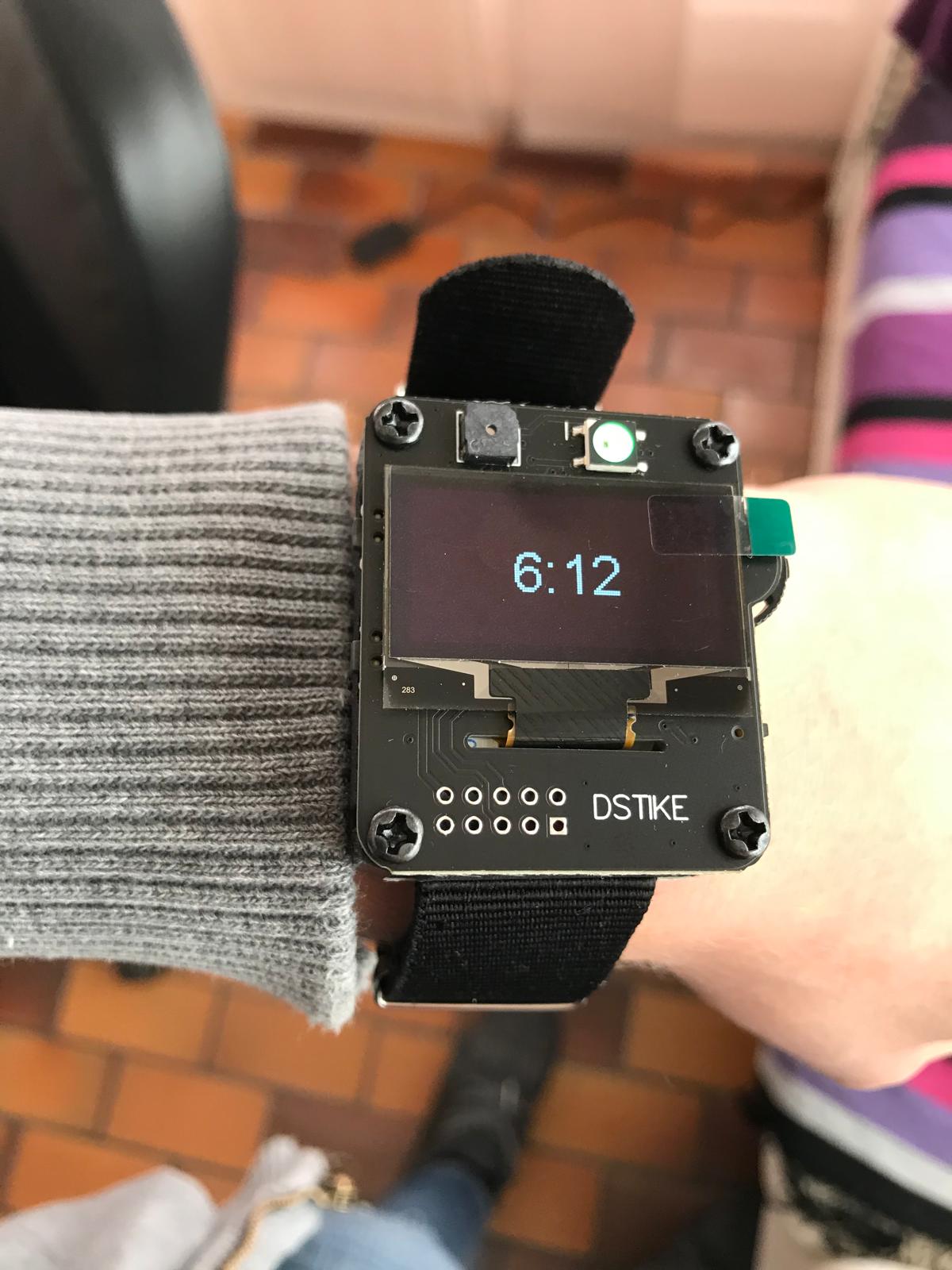
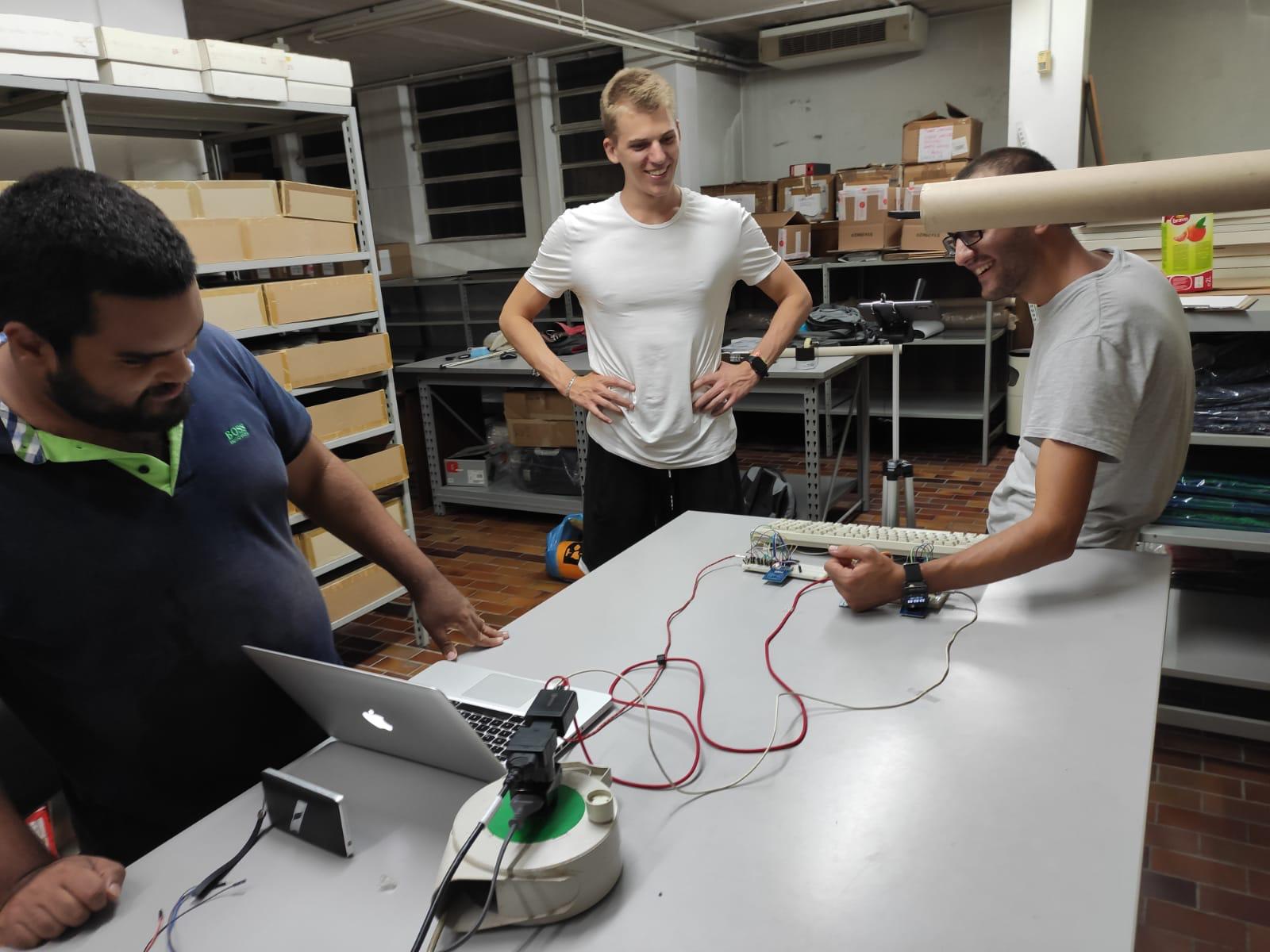
As a user's Virtual Persona could now be accessed from whatever device they wanted, we just needed a way for the user to claim a device, so that it would temporarily connect to their Virtual Persona and let them use it as if it were their own. This is when DSTIKE came into play. We were all in love with this "watch", and we used it as the user's remote controller for their Virtual Persona. We added an NFC tag to it, which would tell a device which Virtual Persona it had to connect to.
The logo
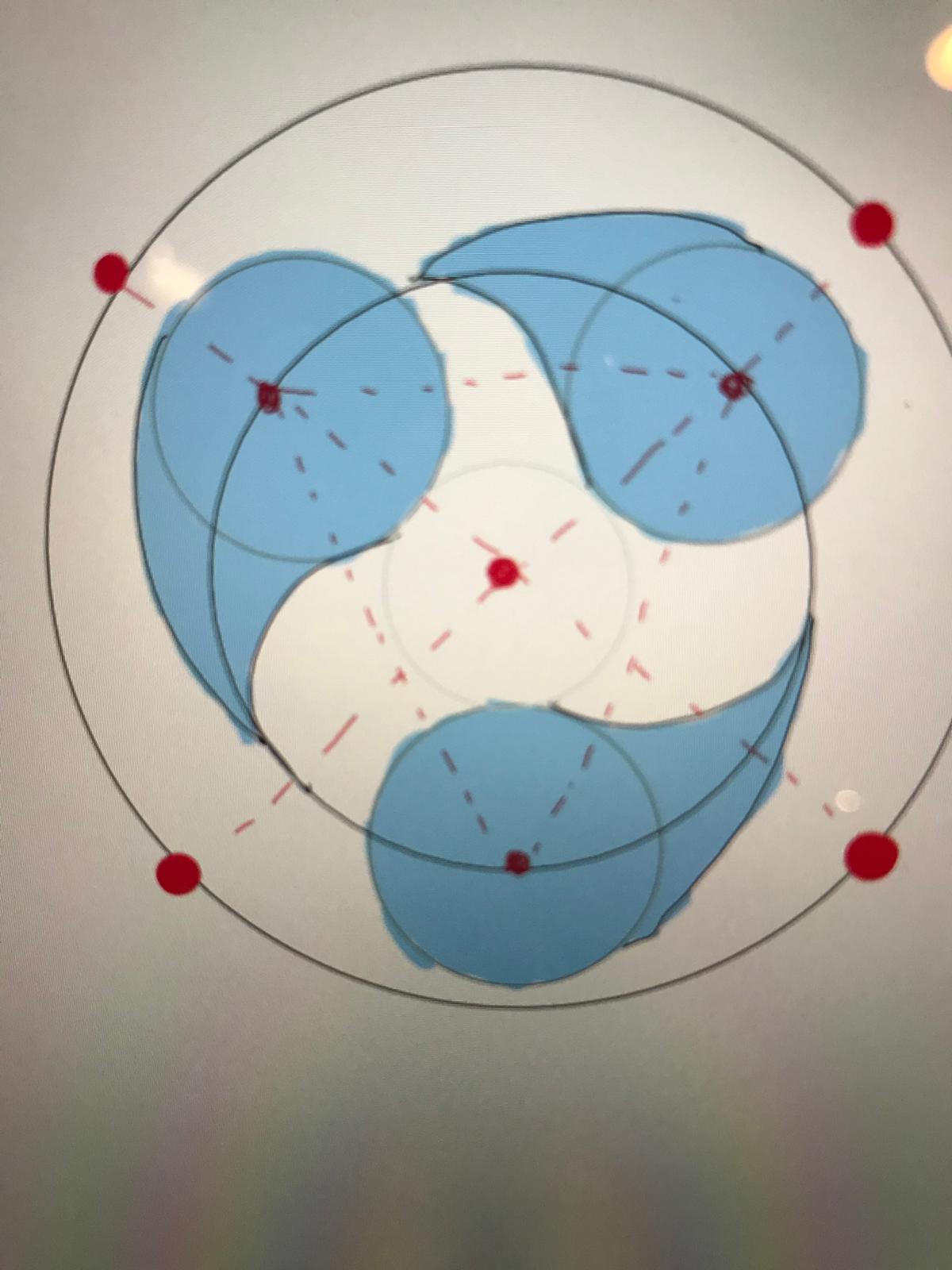
At Omnia we were building the first real ubiquitous computer, and we absolutely needed a logo that would represent the idea of heterogeneous devices acting as one computer. The following are some really early sketches:
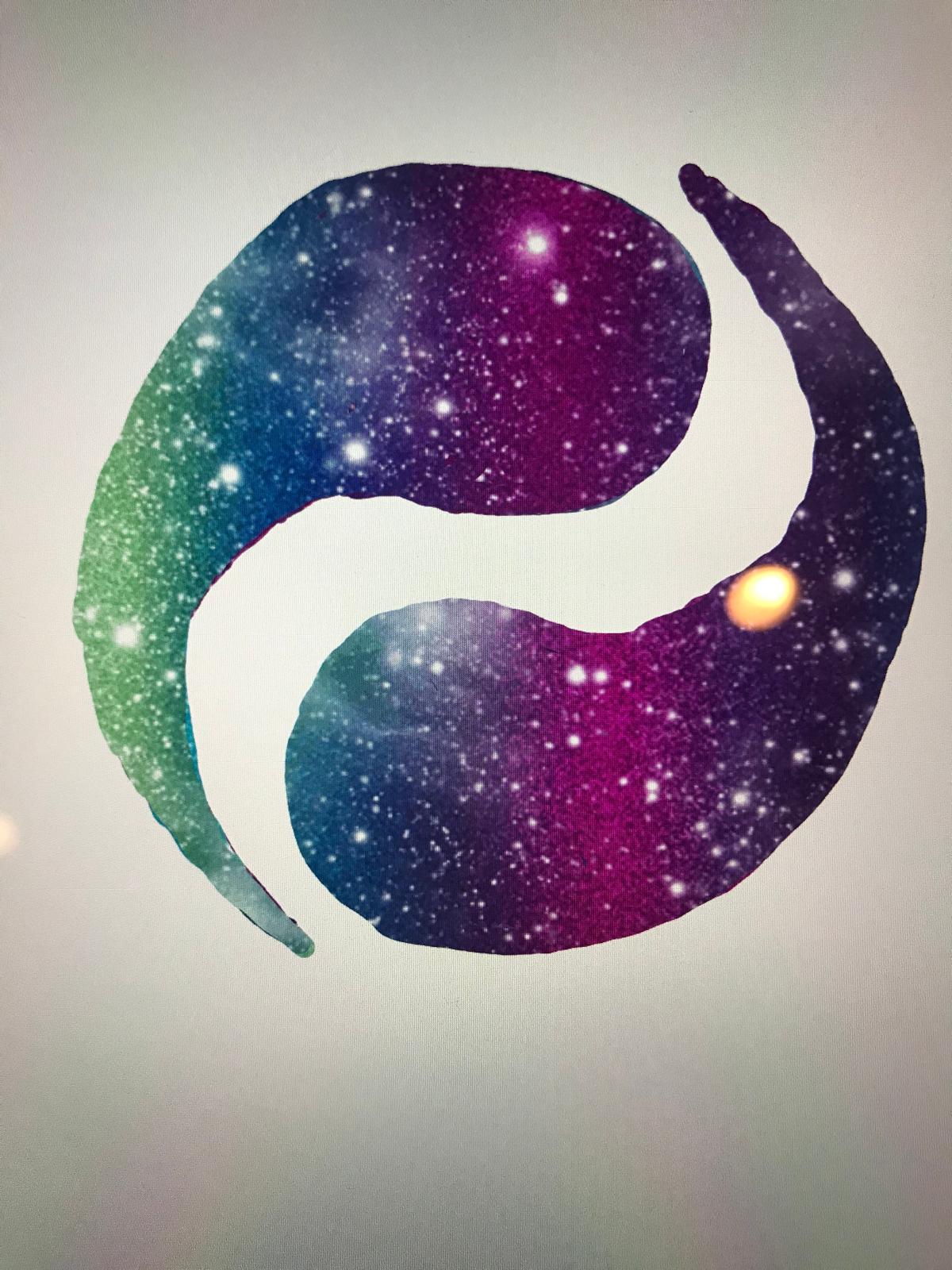
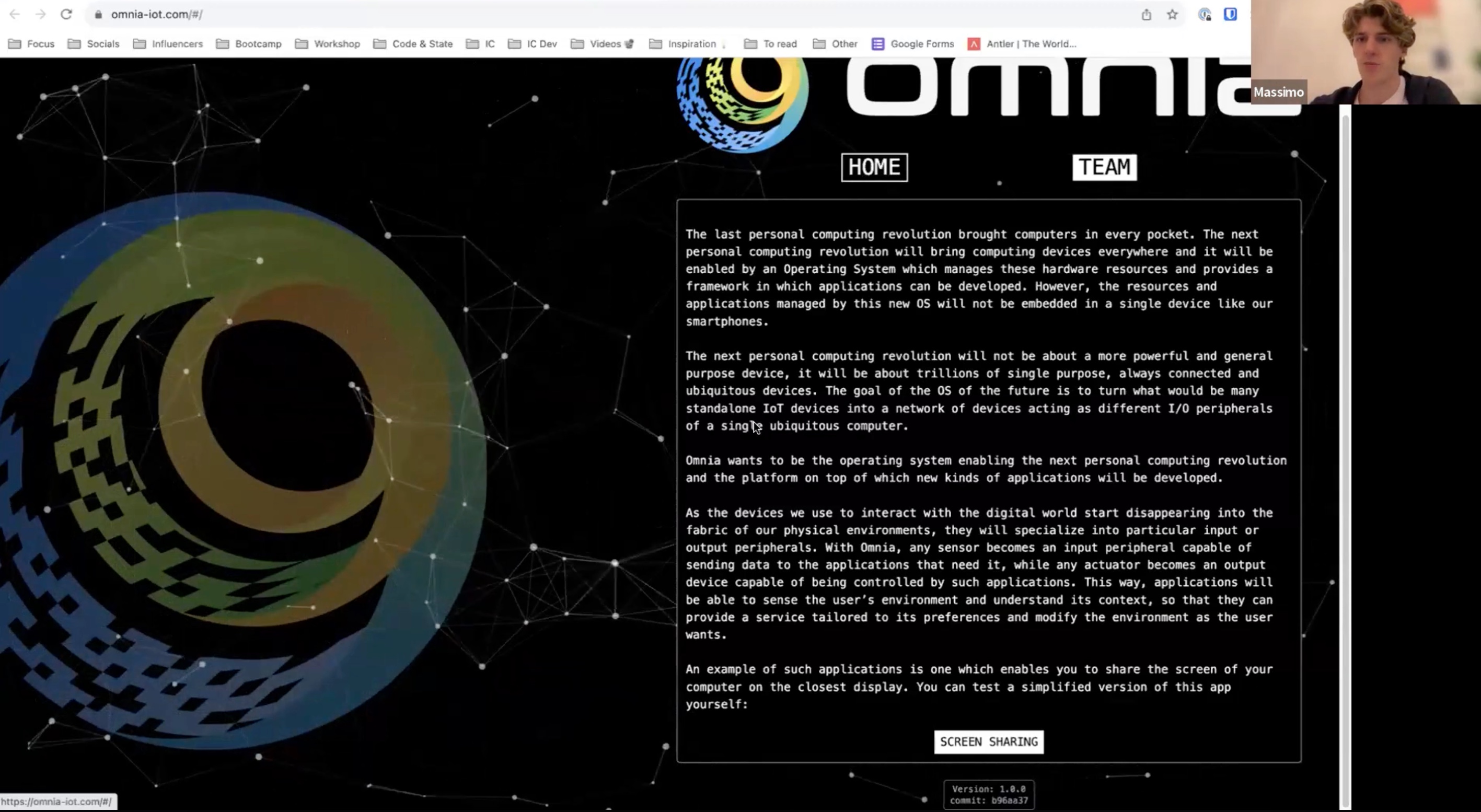
Even years later, while working on Omnia Share, we still deeply believed in computers that disappear into the fabric of everyday life. This is the logo and landing page we eventually came up with:
A proof of concept
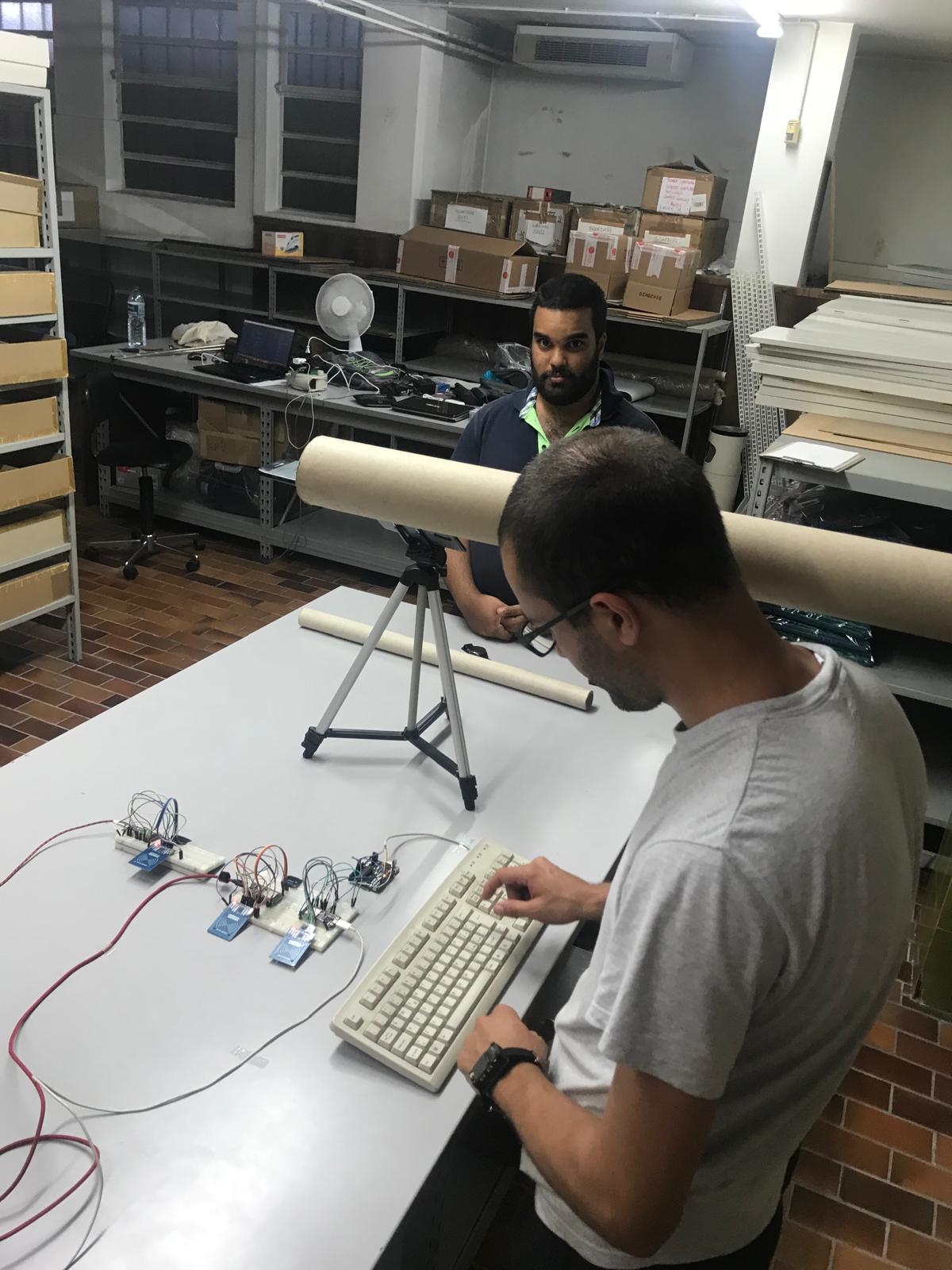
The product was nothing more than a proof of concept. It couldn't do much, but the concept of ubiquitous computing was so fascinating that it drove most of what we did for the next few years: machines should fit the human environment instead of forcing us to enter theirs and they should enhance our lives as we move around without us noticing it.
Next: Omnia Share