For the first half of my gap year, Luca [link to come] and I wanted to keep working on something related to two of our biggest passions: ubiquitous computing and the Web of Things.
With ChatIoT we had built a system that let operators debug problems in a factory just by chatting with the machine. While this might have been an interesting business idea, it didn't seem "cool enough stuff" for us to work on again. Instead of smart factories, we started looking into smart cities — and eventually found out about Neom's The Line.
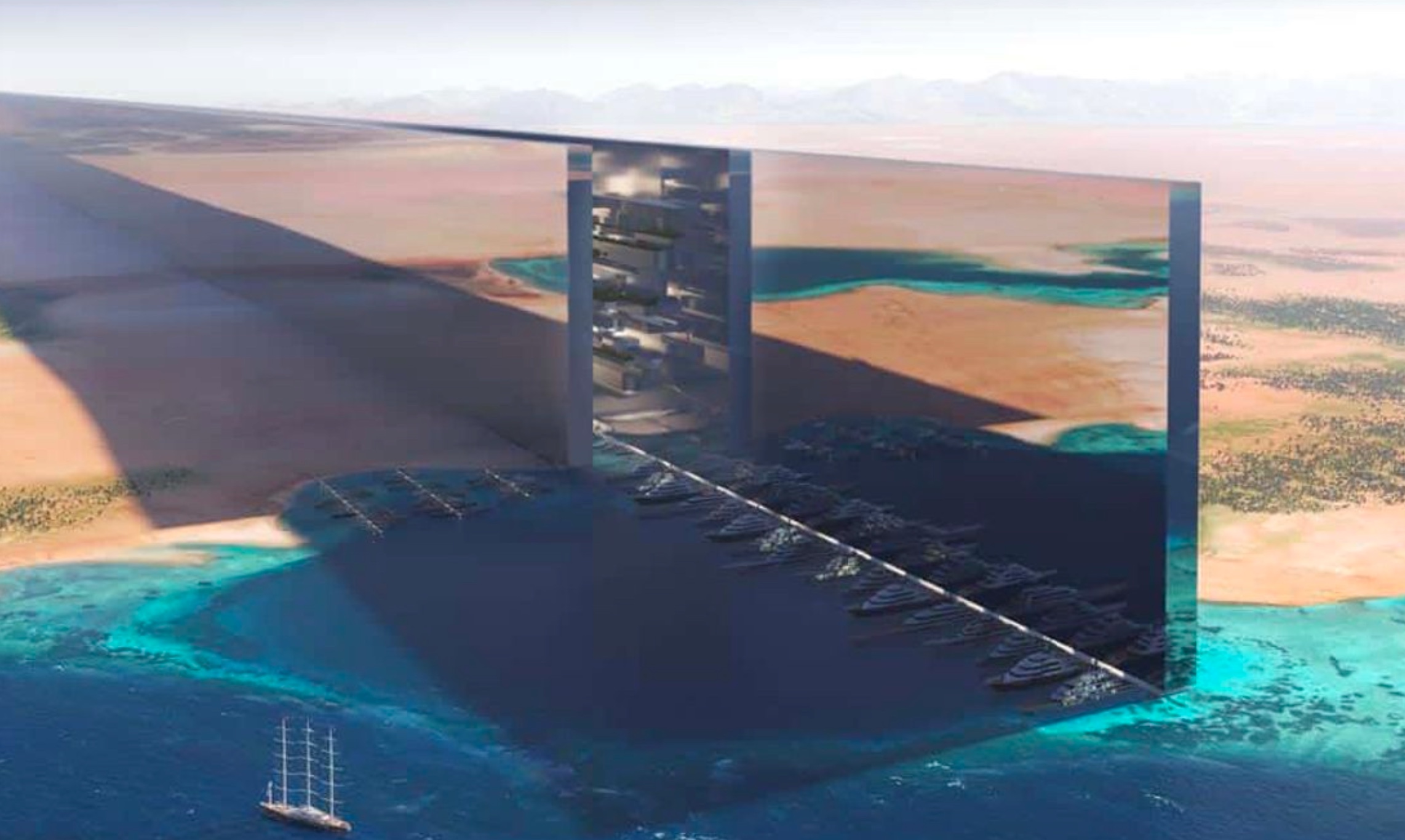
The project looked like science fiction, but what intrigued us the most was their concept of a cognitive city. It was just like what we had been dreaming of — and had prototyped with my "learning from interactions" project — but on the scale of a whole city. We had to get involved!
Applying to Tonomus
Luckily for us (or so we thought), Neom had a venture studio called Tonomus that was looking for startups to incubate at The Line. We immediately applied:
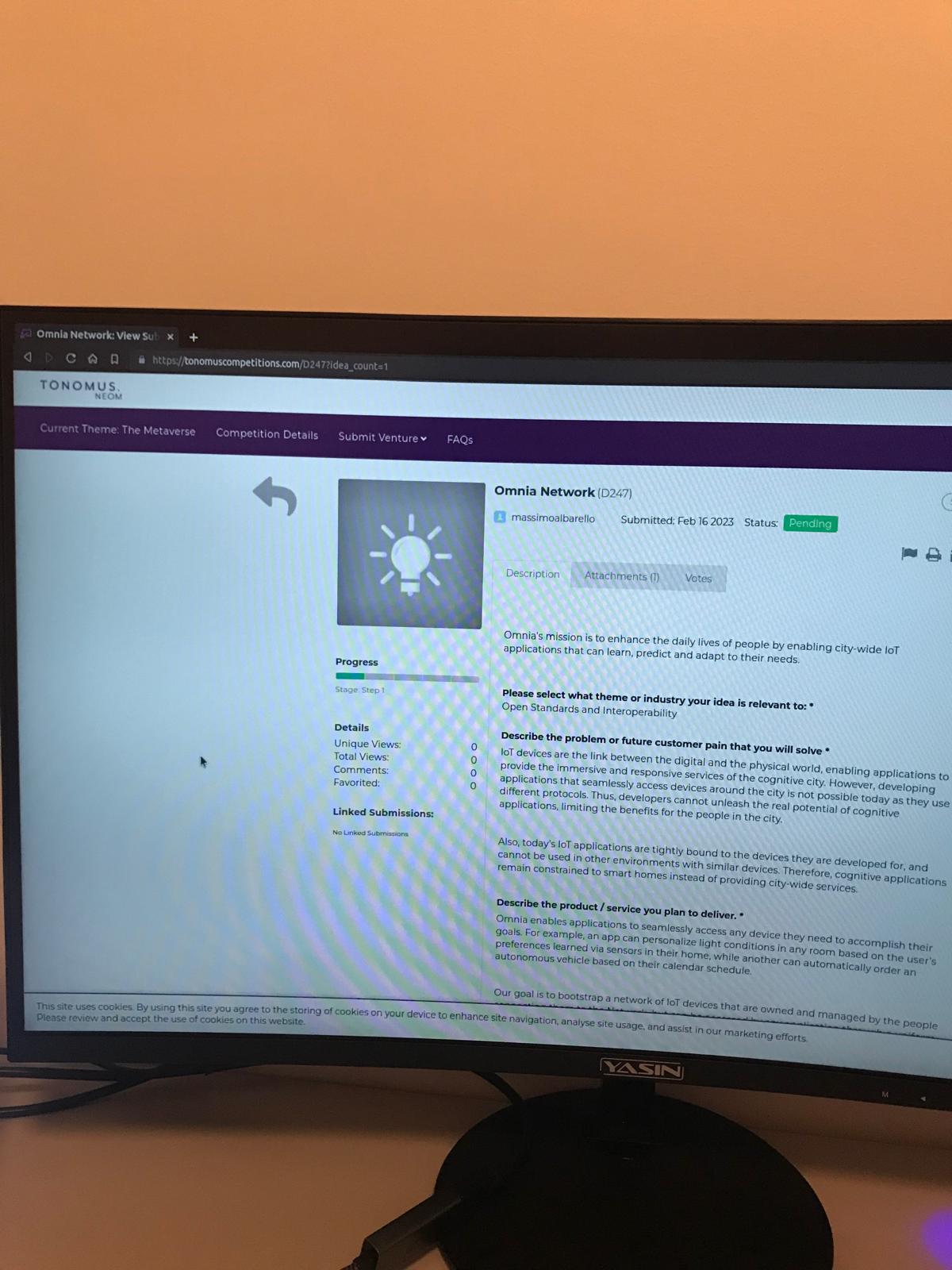
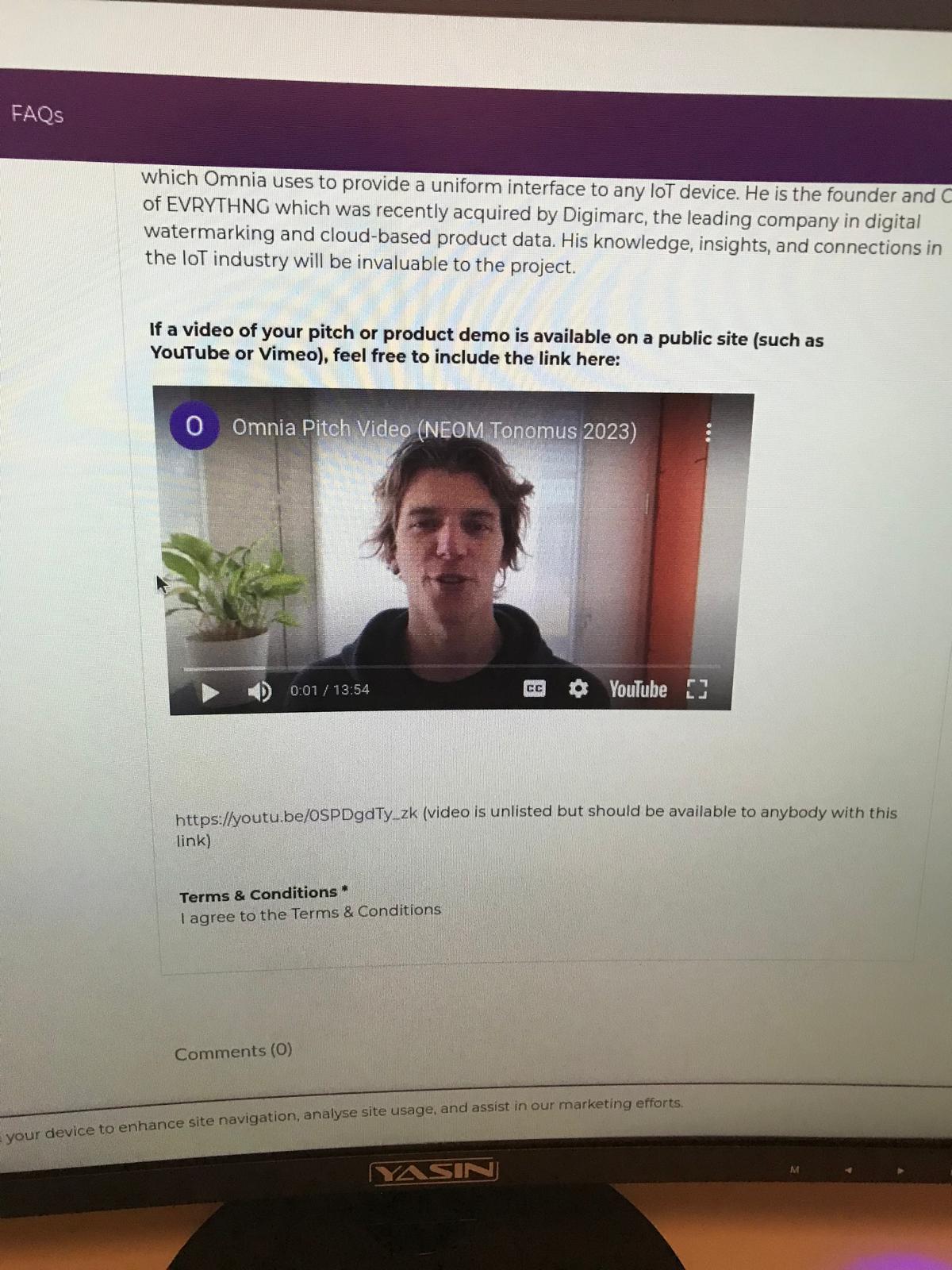
It's funny to look back at our reading pitch deck.
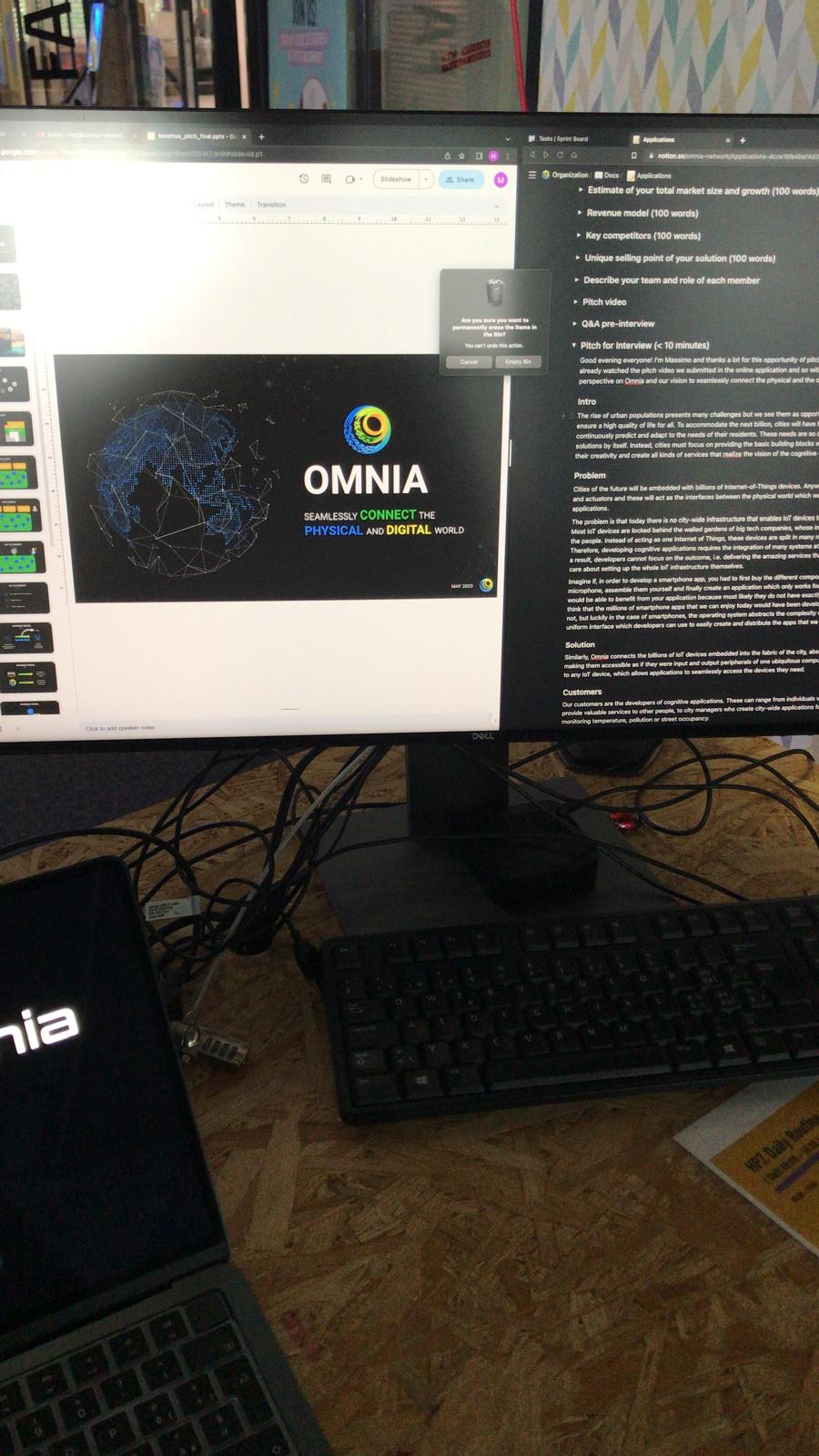
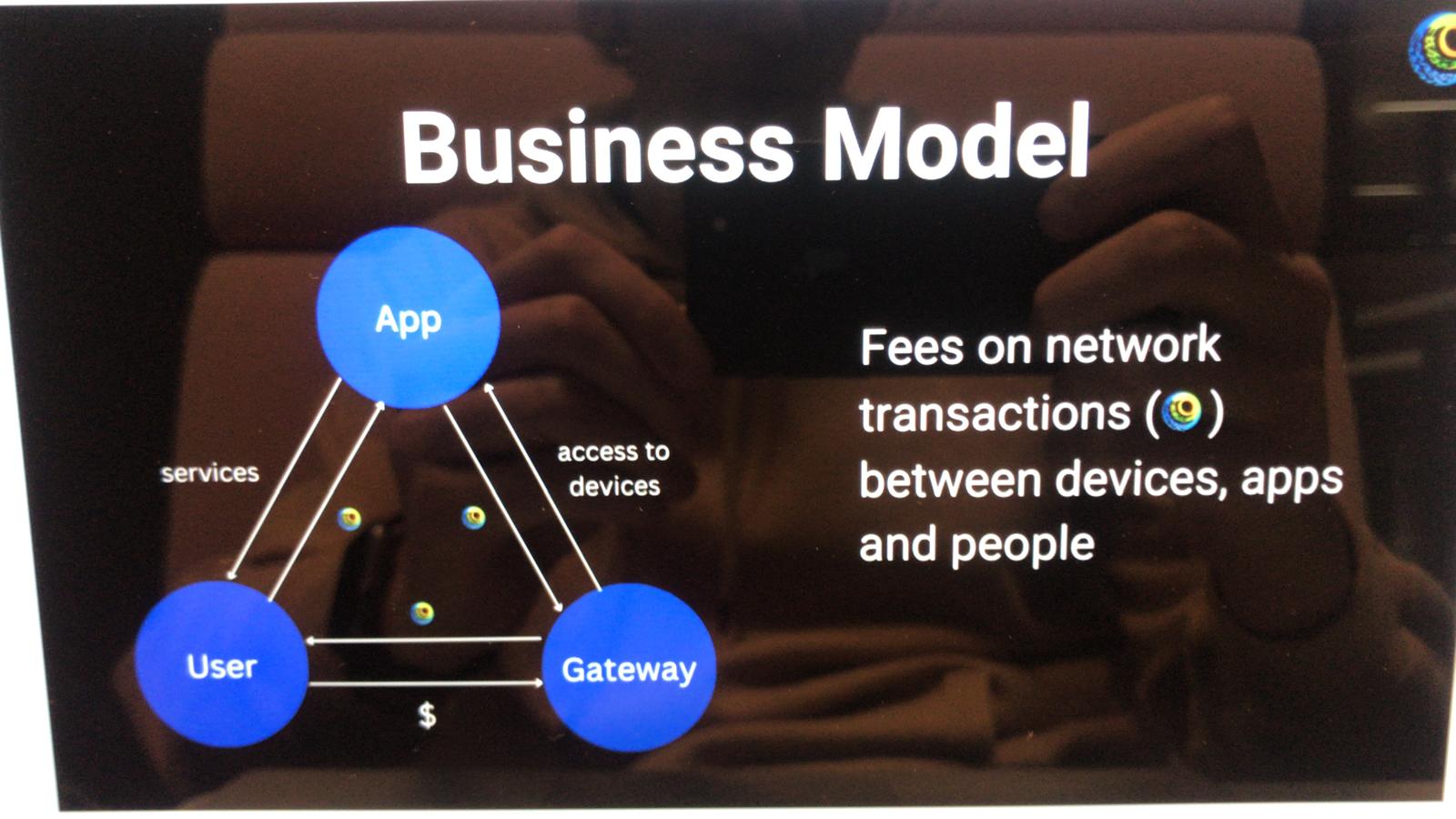
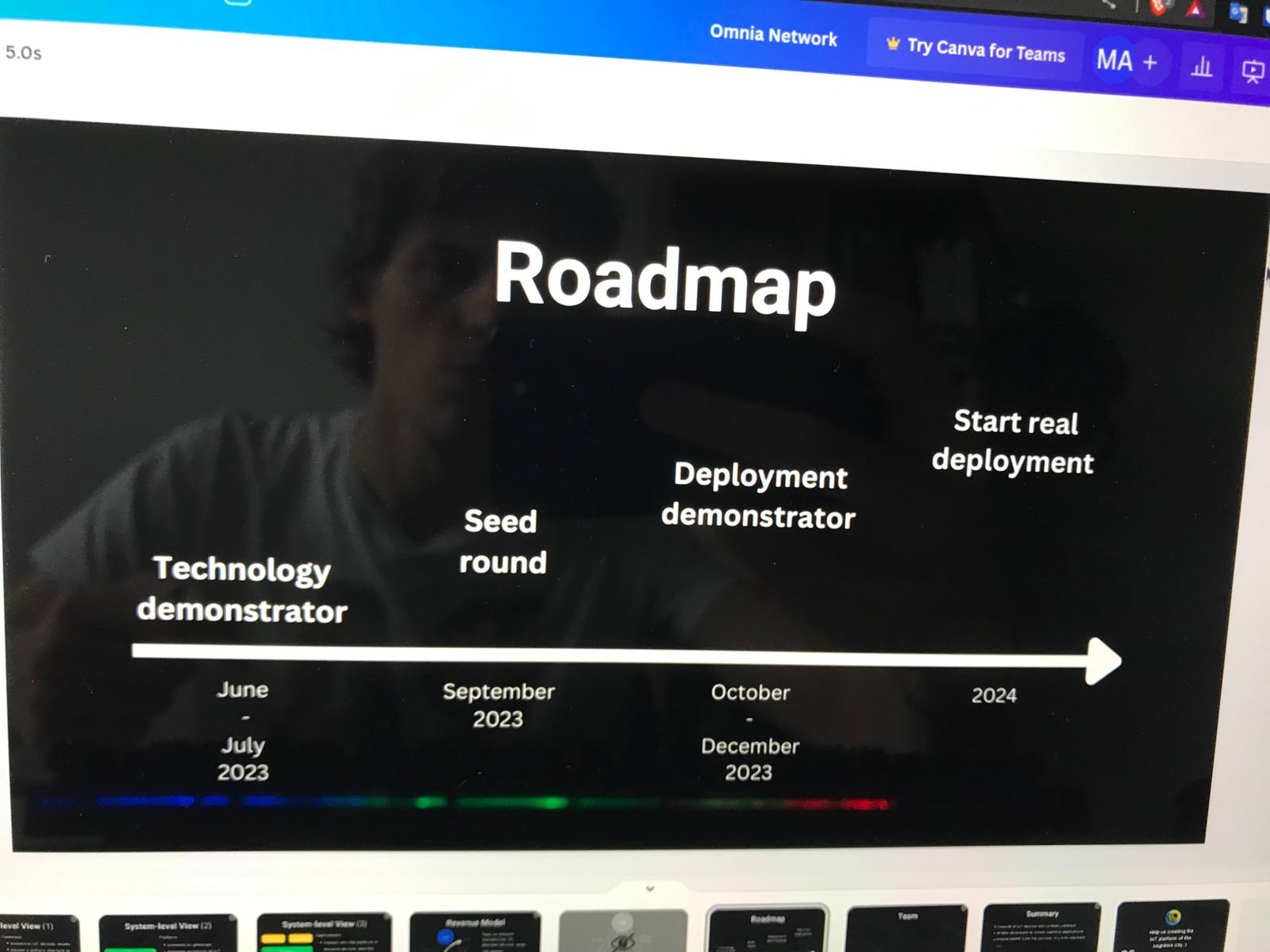
We were so naive to think that the following could be called a business model and a roadmap:
Waking up from the dream
The whole idea was so generic and abstract that we couldn't possibly have pulled it off. Then again, so was The Line: the whole project was cancelled — and with it our dream of building a cognitive city.
Once we woke up from Neom's dream, we started looking for other "smart cities" that might be interested in our "solution". We managed to talk with just about every smart-city department of the main cities in Europe. They were nowhere near where we thought they'd be: we were still thinking about how to enable a cognitive city, while they were thinking about converting their public transport to electric, putting sensors in public bins, and letting people vote online on city-level decisions. We were so disillusioned that we decided to quit the whole ubiquitous computing idea and start looking for something else. Influenced by my master's thesis, which I had recently completed, we became part of the Internet Computer's developer community.