By mid-2024, faced with two possible paths, we initially decided to go after existing fashion brands and retailers.
Why fashion, and why not agents
The customer we actually wanted was never a fashion brand. From the beginning the bet was that consumer apps would be rebuilt around LLMs and would need a way to know their users from day 1. But in 2024 that market didn't exist yet.
Fashion brands were the opposite of all of that. There are thousands of them in Europe alone. They have money, they have users, and we had warm introductions. The value proposition landed the first time we said it out loud: get to know your customers, and keep them engaged with personalisation and rewards.
Brands would acquire our users for us. Every consenting customer came through the brand's own email list or loyalty programme, incentivised with the brand's own money. Our customer acquisition cost was zero. That is an extraordinary distribution advantage, and it is also how we ended up building a business where, unfortunately, we never had a relationship with the people whose data we held.
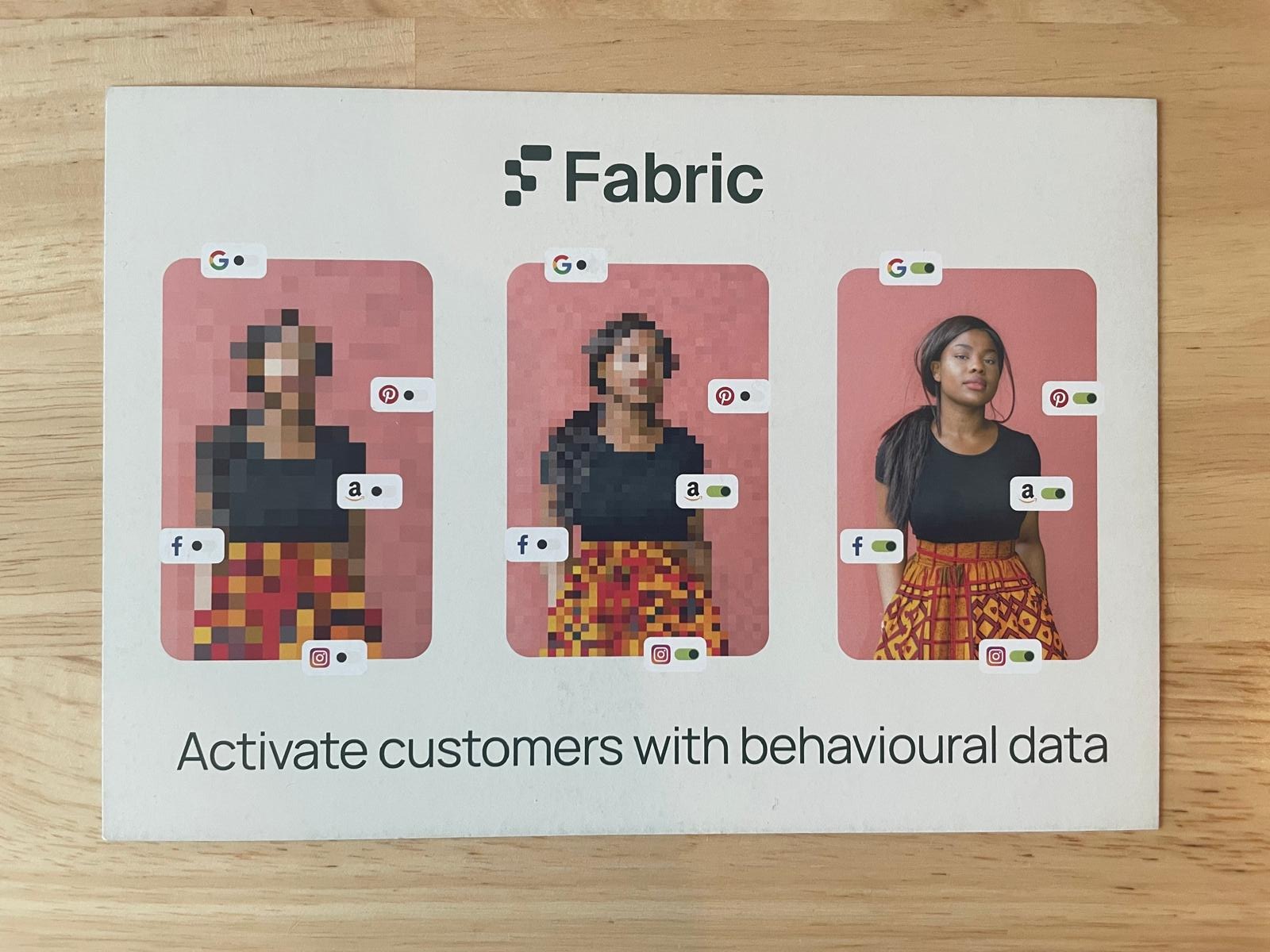
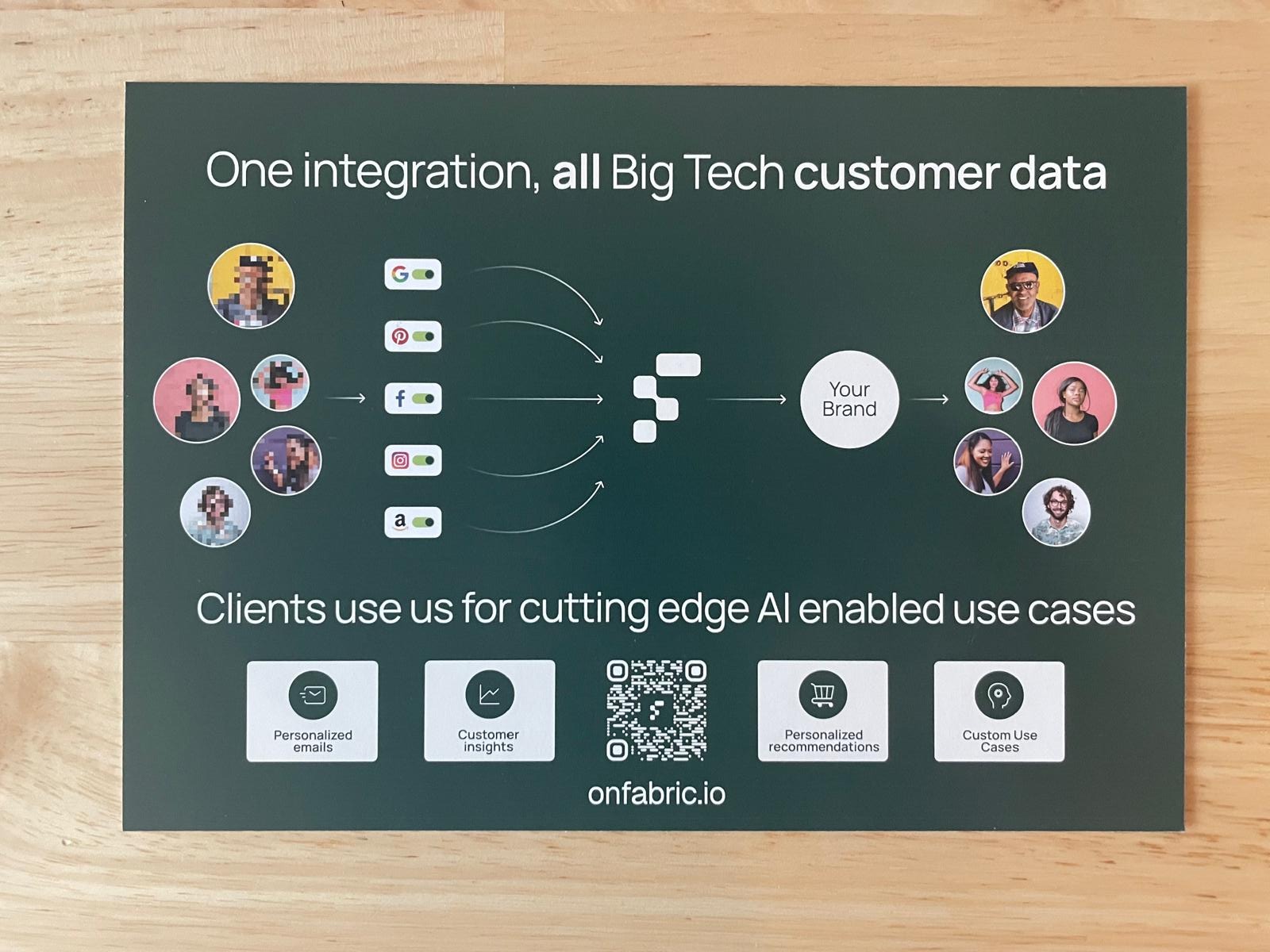
Act one: retailers
Our first customer was a London fashion marketplace with around 200 million annual users and roughly eight million products. The problem they were facing was almost a caricature of our thesis. They were an affiliate marketplace and had no loyalty programme and no purchase relationship to lean on. Most of their traffic was anonymous and identified by cookies. Their north star was retention, and the thing standing in the way was that they only ever saw the last few centimetres of a shopping journey.
As their PM for search and recommendations put it: "who you are on our website is not who you are in the real world". Inspiration happens on Instagram, comparison happens on Google, and they had no access to any of it. They didn't want to rebuild what the big platforms already knew — they just wanted to be allowed to see it.
Things seemed promising at first, but we eventually got trapped into eternal enterprise sale cycles due to the sensitivity of the data we were handling. The technical integration with their in-house recommendation systems was also taking way too long. We needed a faster feedback loop.
Act two: D2C brands
At the beginning of 2025 we decided to stop courting enterprises and go to smaller direct-to-consumer brands instead, explicitly optimising for time-to-feedback over deal size.
Most brands were built on Shopify, and this offered us a really interesting opportunity: write a tag onto a Shopify customer record and it propagates into everything the brand uses. One integration, and we were inside their whole stack.
One of the D2C brands we worked with had an interesting use case to improve their CRM. Their fastest-growing line was an activewear sub-brand, and three completely different people bought the same product from it: people wearing it as daily clothing with no interest in fitness, serious runners, and people training for Hyrox. They had no way of segmenting these customers.
We went live with multiple brands and, from the user conversion side, it worked better than we were expecting. From the start, more than 20% of the people who saw our consent flow [link to come] on the brand's website granted Fabric recurring access to their Google searches.
From this data, we could see a person's shopping intent in extraordinary detail — weeks before the London Marathon we noticed a wave of users start researching running shoes — but brands couldn't act on it. The data we had was too high resolution for them.
If the only actionable output is "which of these people are sporty", you don't need someone's entire search history. You only need a checkbox on the website for the user to select.
We needed companies that could act on the insights we were providing.
Act three: looking broader
In June we went back up-market — a booth at Shoptalk Europe in Barcelona and the World Retail Congress in London.
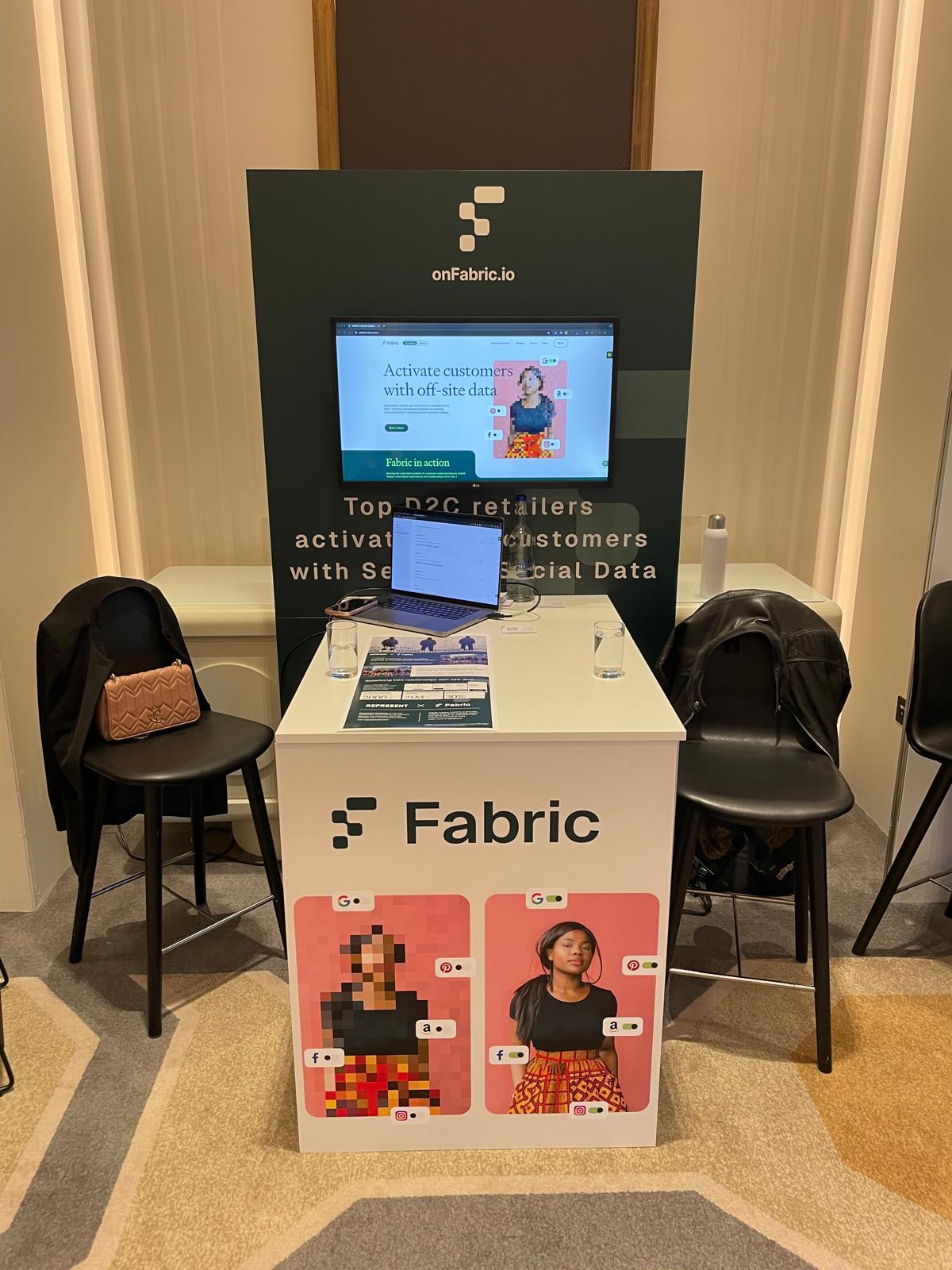
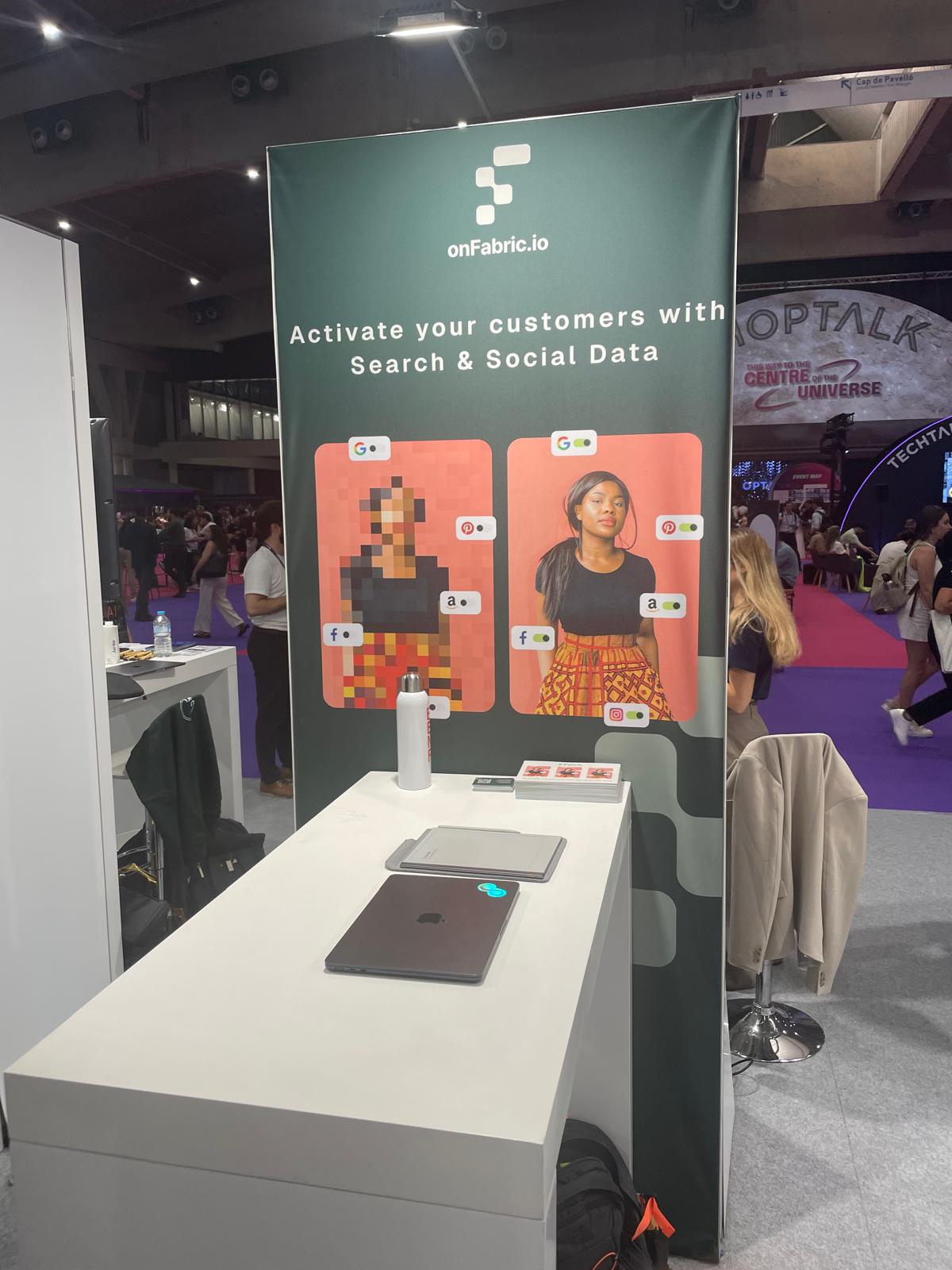
The pitch by then was sharp: we give you visibility into the part of the customer journey you have never been able to see, and we can spot purchase intent days before anyone clicks an ad.
What came back, unprompted, over and over, was a different product. They wanted to know what was about to happen to their market, not what was happening to one customer. A data lead at adidas explained that it takes nine months to produce a product, that they were then producing for winter 2026, and that when a shoe unexpectedly explodes it wrecks their supply chain. Someone at an Italian fast-fashion group told me their trends are now born on TikTok rather than on runways, and that the trend reports they buy don't cover what will explode next week.
Almost everyone was more interested in new audiences than in better understanding the customers they already had. "Here are a thousand people obsessed with streetwear who aren't yours yet" is a far easier sell than "here is more detail about your own list" — and it's the one thing our GTM structurally could not deliver, because our users came to us through the brands.
By the time we tiered the leads from the conferences, nearly every one of them was labelled consulting rather than software. We were being asked to be an insights agency.
Stopping
By July 2025 we decided to exit the fashion vertical entirely. We believed that the rich user-level behavioural data we had access to could only shine when used to hyperpersonalize the user experience, not when aggregated to understand a whole audience. By then, also, the pace of change in consumer AI convinced us it was finally time to give this new market a try. That's when we pivoted and started turning this data into usable context for AI [link to come].